

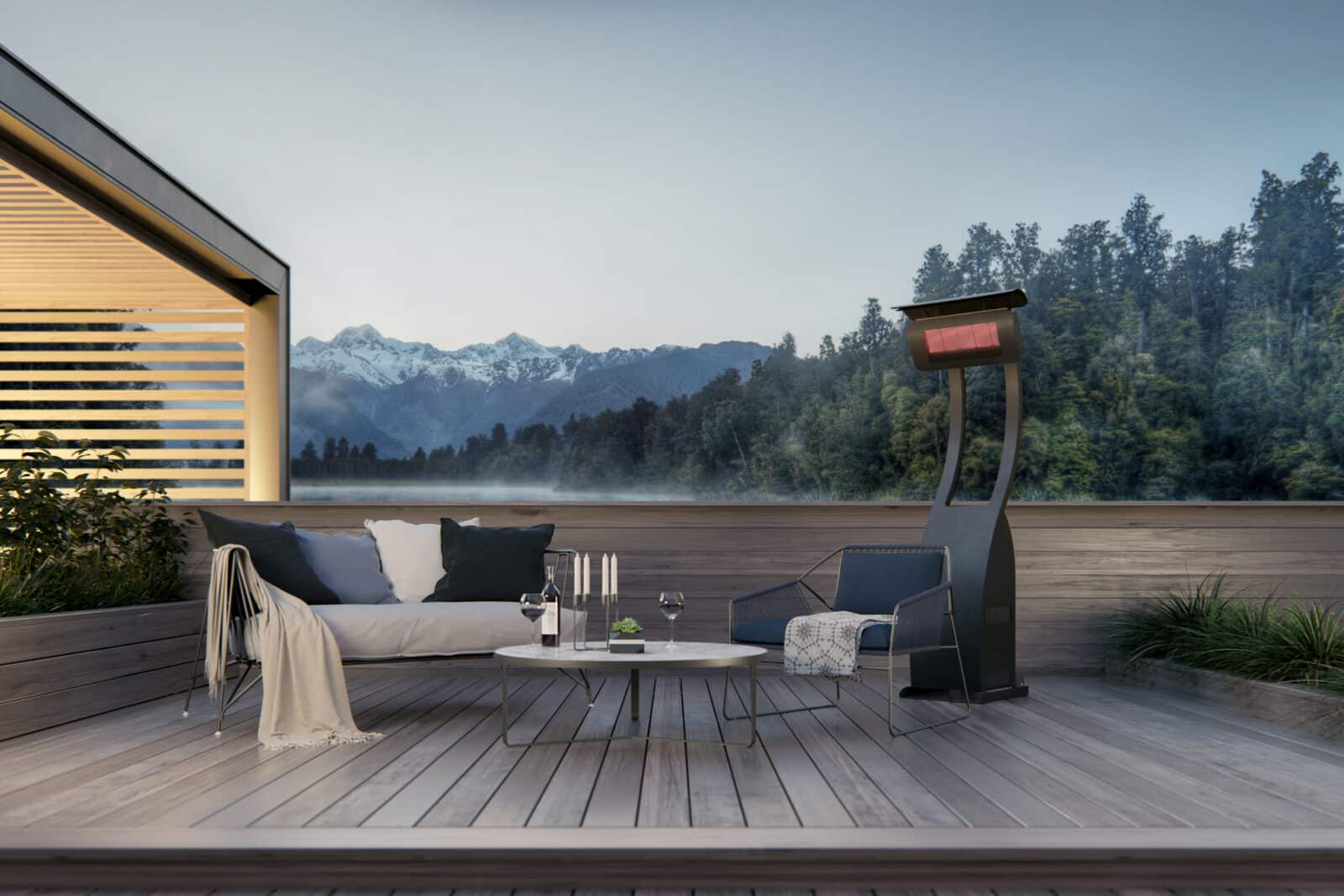
Outdoor Heaters That Last Season After Season
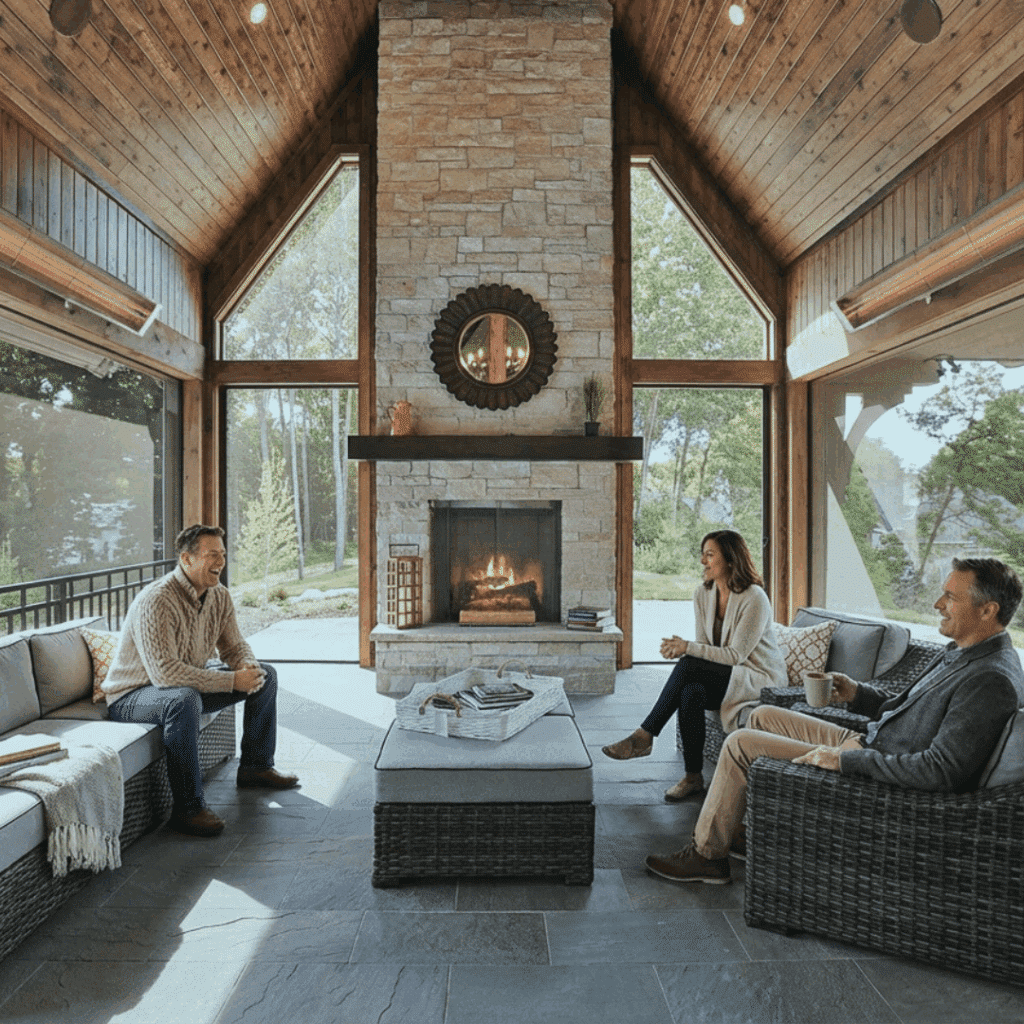
Bromic outdoor heaters are designed to help make patios, restaurants, hospitality spaces, and outdoor living areas more usable throughout the year. Choose from built-in heaters for architectural integration or freestanding heaters for flexible placement.
Whether the space is covered, open-air, residential, or commercial, the right outdoor heater depends on layout, exposure, mounting options, fuel type, and how people use the space.
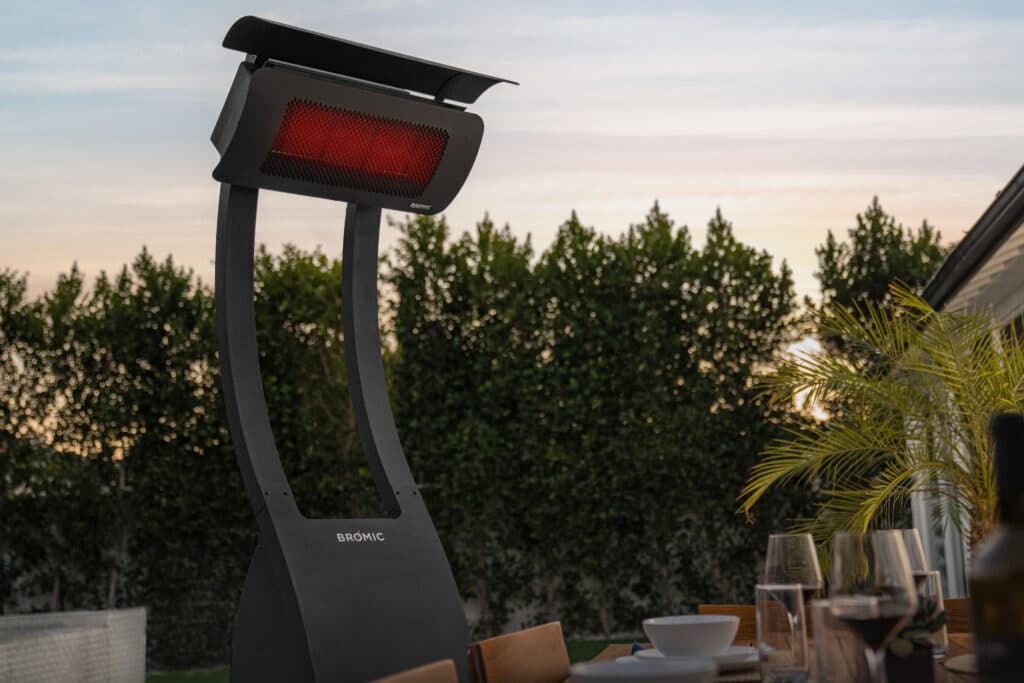
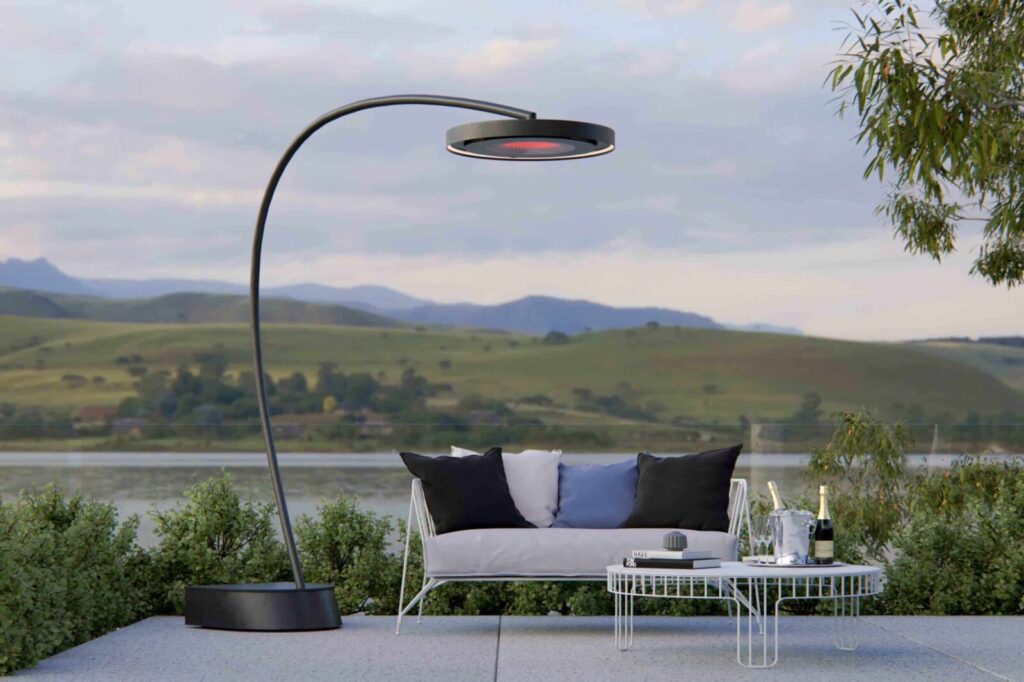
Freestanding: Flexible Placement, Distinct Design
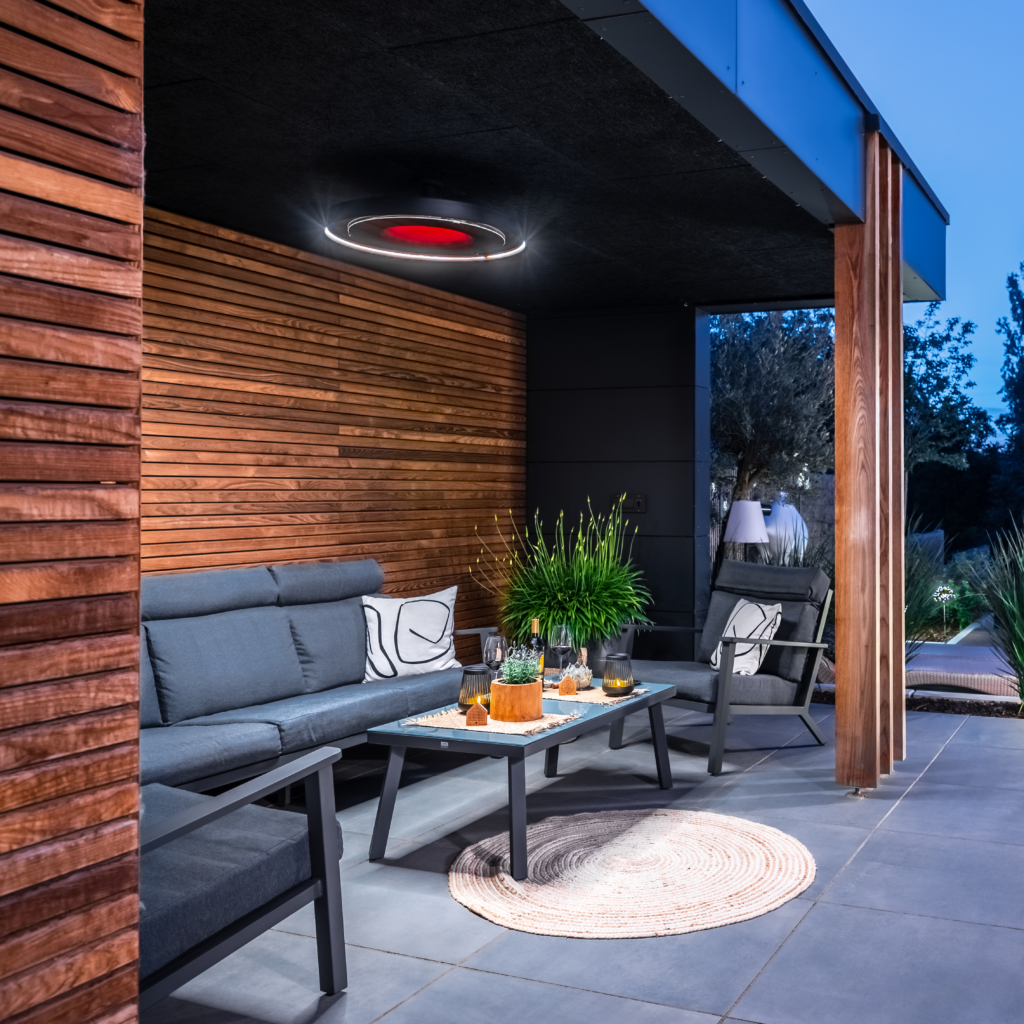
Built-In: Designed for Architectural Integration


Smart-heat Controls
Connected Outdoor Heating
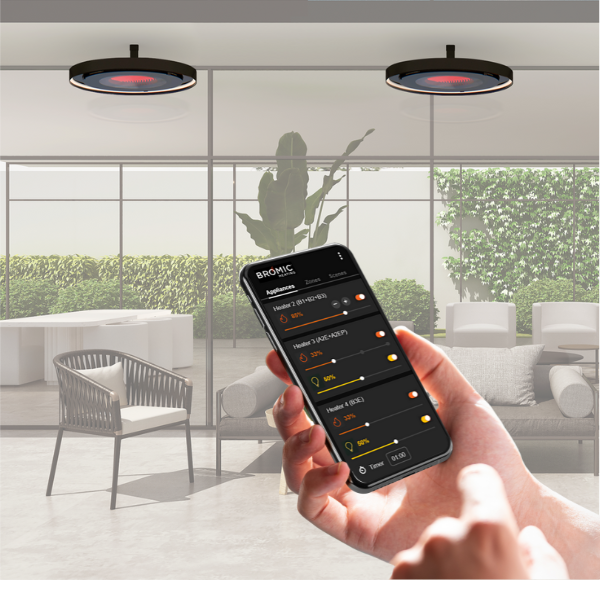
Outdoor heating appliances can be managed through the Bromic Heating app with integration options for common smart home and building automation systems. Compatible with smartphones and tablets, the app supports heat customization, zone configuration, scheduling, and coordinated operation across multiple heaters, useful for both residential use and commercial environments.
Outdoor Heat Behavior
How Infrared Outdoor Heating Works
Infrared Bromic outdoor heating appliances emit radiant energy that travels through open air and warms people and surrounding surfaces directly. Because this heat transfer does not rely on warming air, it remains effective in environments affected by wind, ventilation, and exposure. The result is more consistent performance across real outdoor conditions, allowing spaces to remain usable as the temperatures drop.
How to Choose the Right Outdoor Heater for Your Space
Choosing the right outdoor heater depends on how your space is designed and how you plan to use it. While all outdoor heaters provide warmth, the best solution comes down to layout, exposure, and how people move through the space.
Key factors to consider:
- Covered vs open-air spaces: Electric infrared heaters are ideal for covered patios or pergolas, while gas heaters are better suited for open, exposed environments.
- Heat direction: Radiant heaters warm people and surfaces directly, making them more effective outdoors than traditional air-based heating.
- Mounting vs flexibility: Built-in heaters integrate seamlessly into architecture, while freestanding options allow for flexible placement.
- Space size and layout: Larger or more open spaces may require higher output or multiple heaters for consistent coverage.
Built-In vs Freestanding Heaters
Outdoor heaters typically fall into two main categories—built-in and freestanding—each designed for different types of spaces.
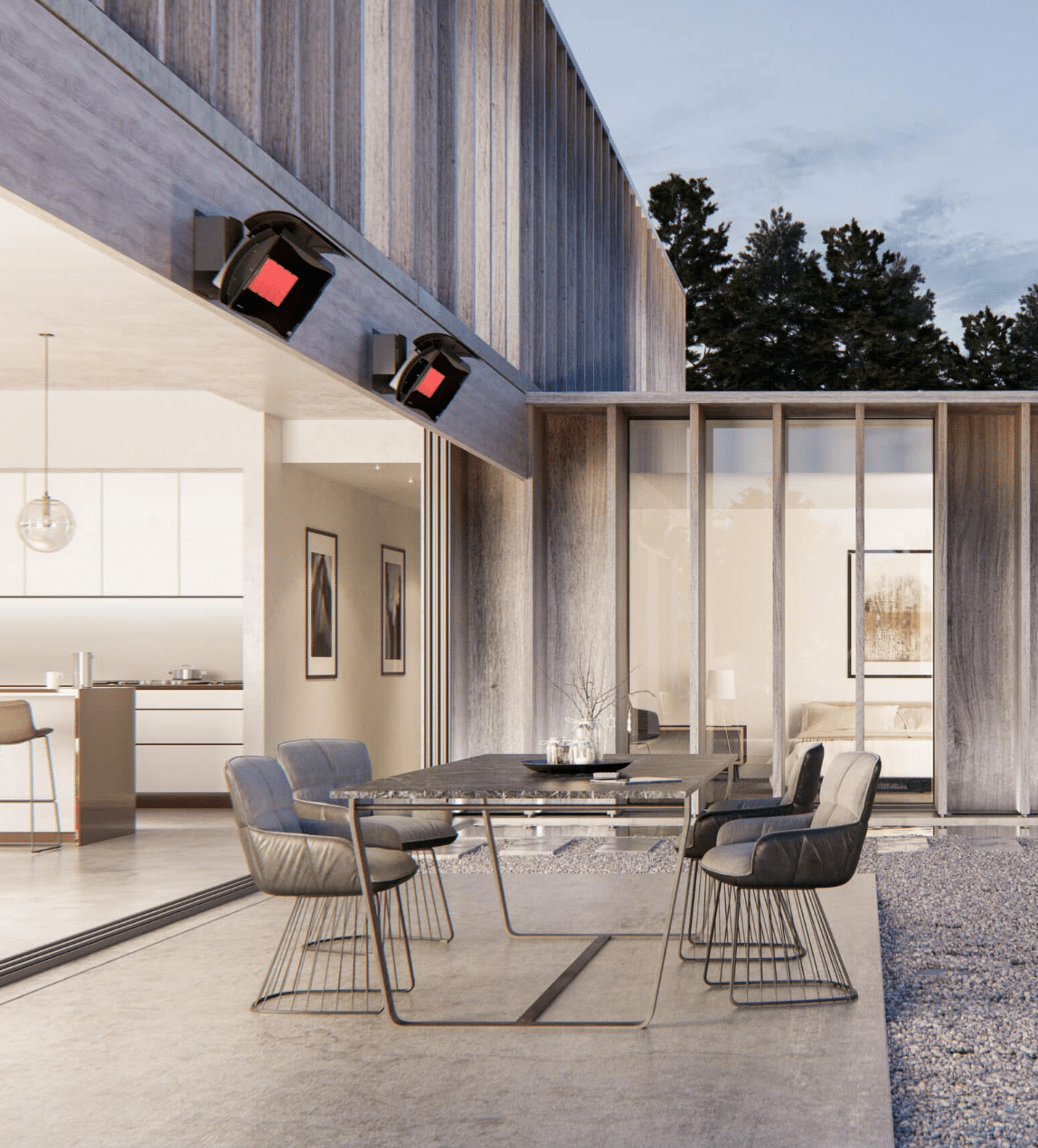
- Built-in heaters are installed into ceilings, walls, or pergolas for a clean, integrated look. These are ideal for permanent outdoor living spaces where design continuity is important.
- Freestanding heaters offer flexibility and can be repositioned as needed. They are a great option for evolving layouts, entertaining areas, or retrofit projects.
Both options are designed to deliver consistent radiant heat, but the right choice depends on how fixed or flexible your space needs to be.
Designing for Year-Round Outdoor Living
The most effective outdoor spaces are planned with comfort in mind from the start. Heating should be considered early in the design process—not added later.
Planning ahead allows you to:
- Position heat where people actually gather
- Maintain a clean architectural look
- Create distinct zones for dining, lounging, and entertaining
When integrated thoughtfully, outdoor heating extends the usability of your space, making it more functional throughout the day and across seasons.
Outdoor Heating FAQs
What type of outdoor heater works best?
The best heater depends on your space. Electric heaters are ideal for covered areas, while gas heaters provide higher output for open-air environments.
Are outdoor heaters effective in wind?
Yes—infrared heaters are designed to heat people and surfaces directly, making them effective even in breezy conditions.
Can outdoor heaters be installed on ceilings?
Yes—ceiling-mounted electric heaters are designed for covered outdoor spaces and integrate seamlessly into architectural layouts.



Complimentary Outdoor Heating Design Service
Plan With Confidence
Can outdoor heaters be installed on ceilings?
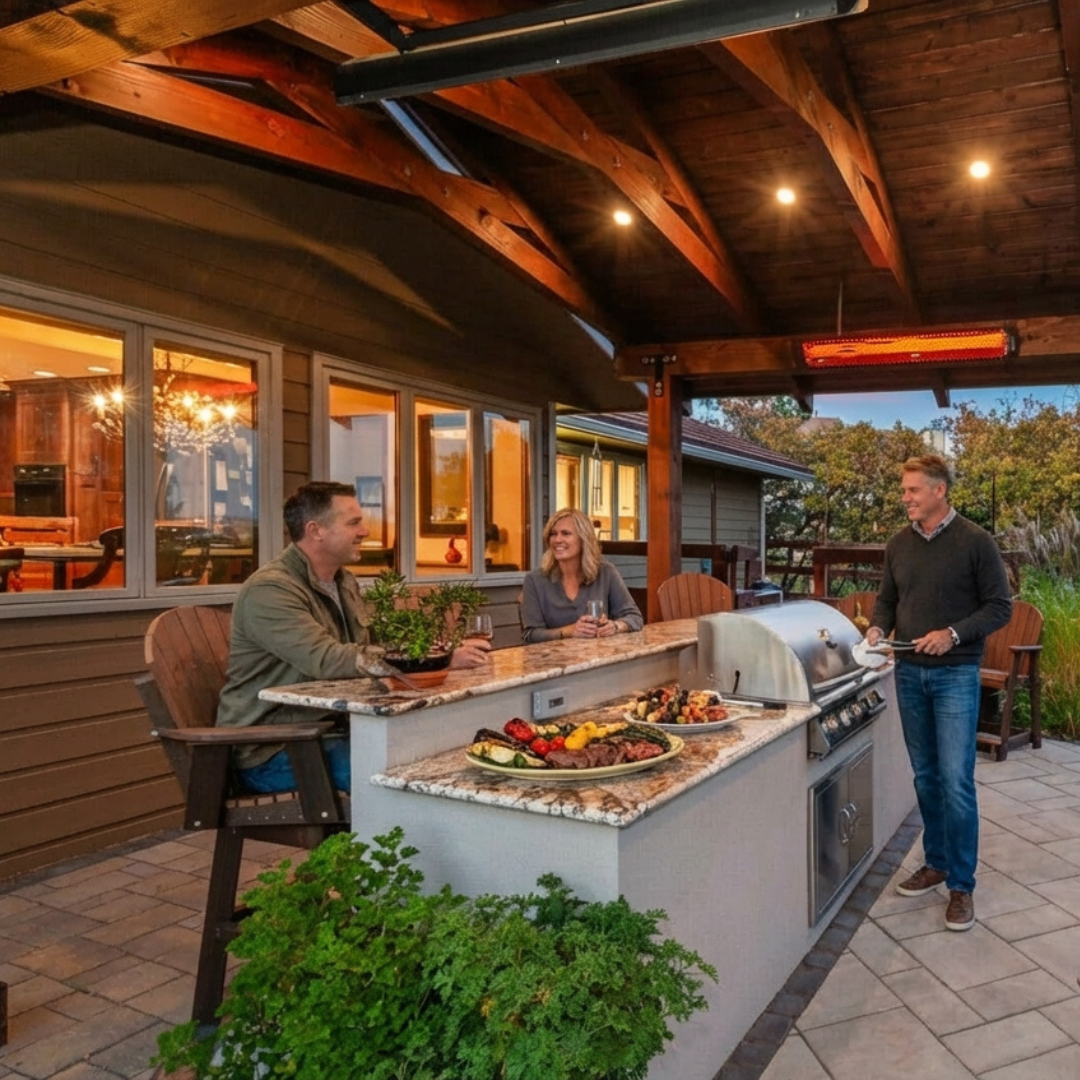
Yes—ceiling-mounted electric heaters are designed for covered outdoor spaces and integrate seamlessly into architectural layouts. Every outdoor space has different requirements, including layout, exposure, structure, and usage. Bromic offers complimentary design guidance to help determine whether freestanding or built-in outdoor heating appliances are the right fit and how heaters should be positioned for performance.


